Book Reviews
When it comes to my reading habits, "avid" is almost an understatement. With copious free hours in my Lookout Tower, I read a continuously broadening range of literature about sex, birth, babies, and everything in relation! Some books were read long before the Doula role became a reality, some are part of my training, most are read out of pure curiosity about women and the incredible experiences and abilities we contain.
If there is a book you love which is related to these topics, I always take recommendations!
If there is a book you're curious about, but it is not on this page, please reach out. Chances are I've read it and not included it, or I may read and review it for you.
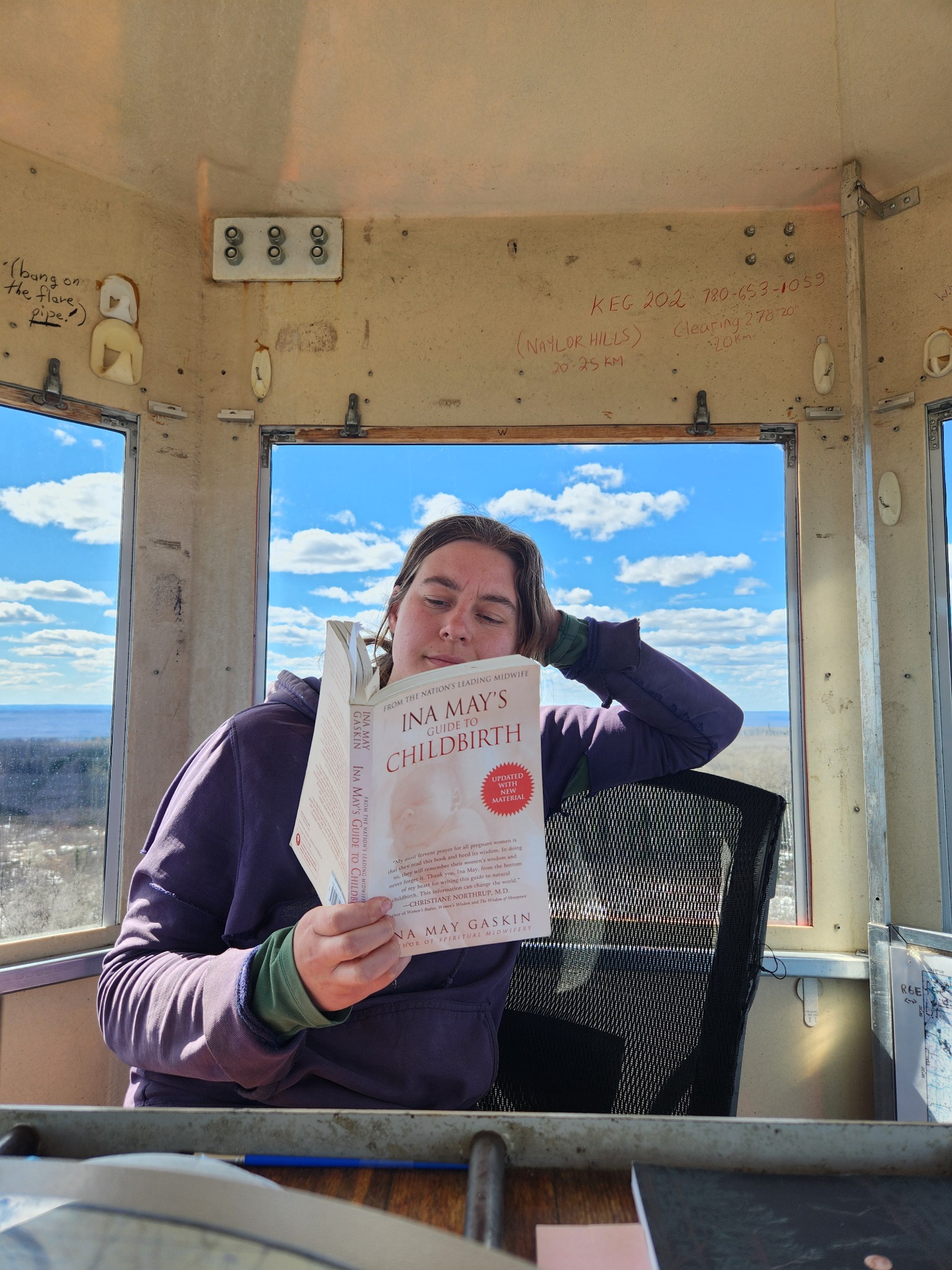
Ina May's Guide to Childbirth - Ina May Gaskin
This is the ultimate feel-good book when it comes to birthing books. The first half of this book is all stories by women who gave birth on or related to Gaskin’s commune The Farm. They are strong, empowering, varied stories almost entirely non-medical and all with happy endings. The second half of the book is dedicated to education, but it is not the most informative or comprehensive book. It discussed alternatives to medical interventions.
Because this book focuses on the stories of birth, it is understandably lacking in medical information. The medical information mentioned in this book is mostly included as a foil, the “what is done” versus “what should be done”.
I would recommend this book to anyone who is worried about the birth experience, doesn’t have or doesn’t relate to women in their community with their own positive birth stories, or who wants an encouraging and mildly informational book. I wouldn’t recommend this book if you’re looking for hard-core educational bible encompassing the entirety of the birthing process.
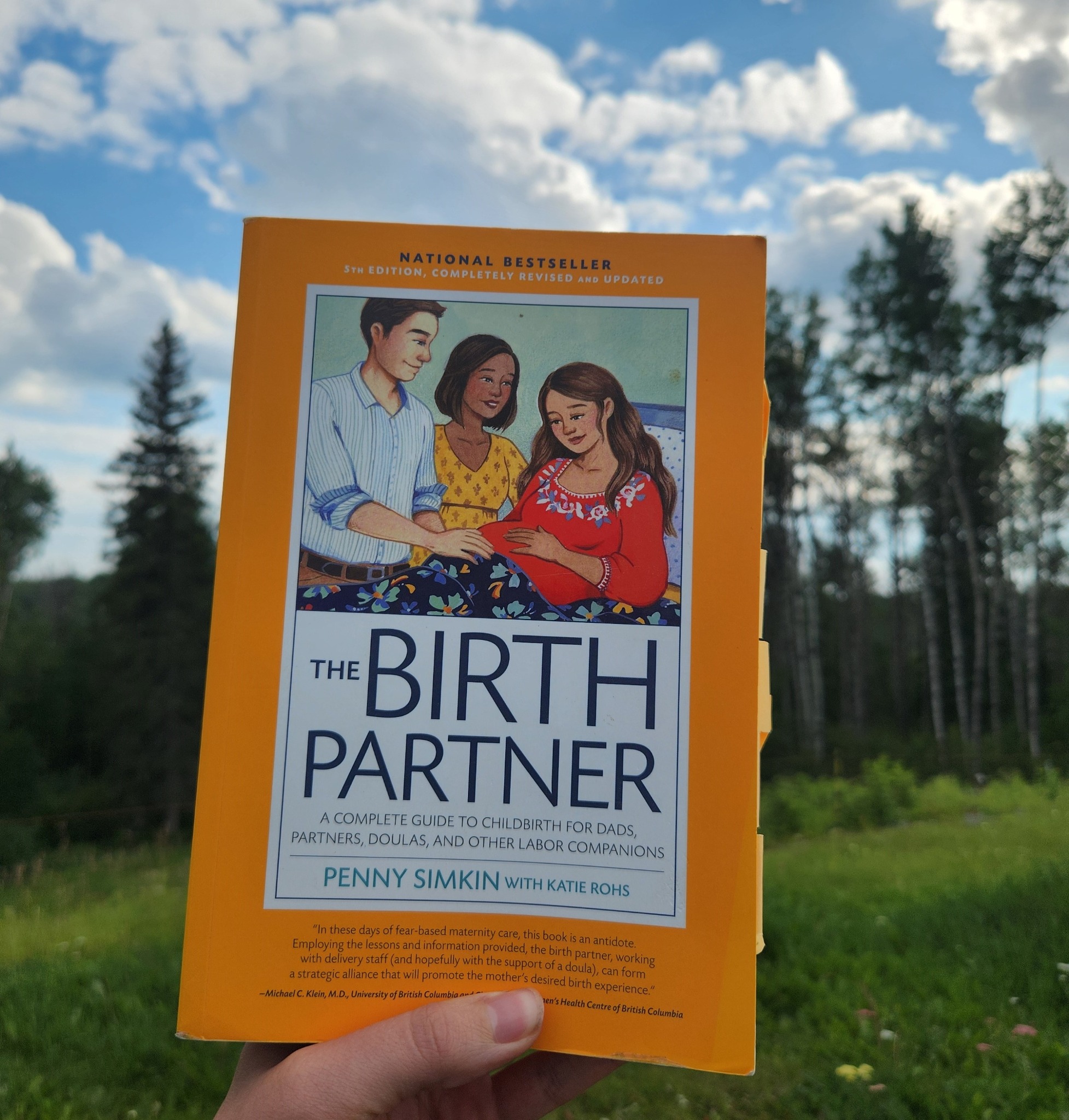
The Birth Partner - Penny Simkin and Katie Rohs
The major takeaway of this book is the profound affect a competent, calm, nonjudgemental support person can make in the experience of a pregnancy and labour. While other pregnancy books are written to motivate and inform the pregnant parent, this book focuses on the many types of help that stem from outside the pregnant person. I plan to keep this book on hand as my go-to resource, it is a comprehensive guide to the most common and most common uncommon events in pregnancy and birth. It focuses on what others who are outside of the situation can do to help effectively and what should (or shouldn’t be) said to a pregnant person. I would recommend this book to the supporting parent or community; it would be especially helpful to work with a partner who has read this book and is working with similar knowledge to myself.
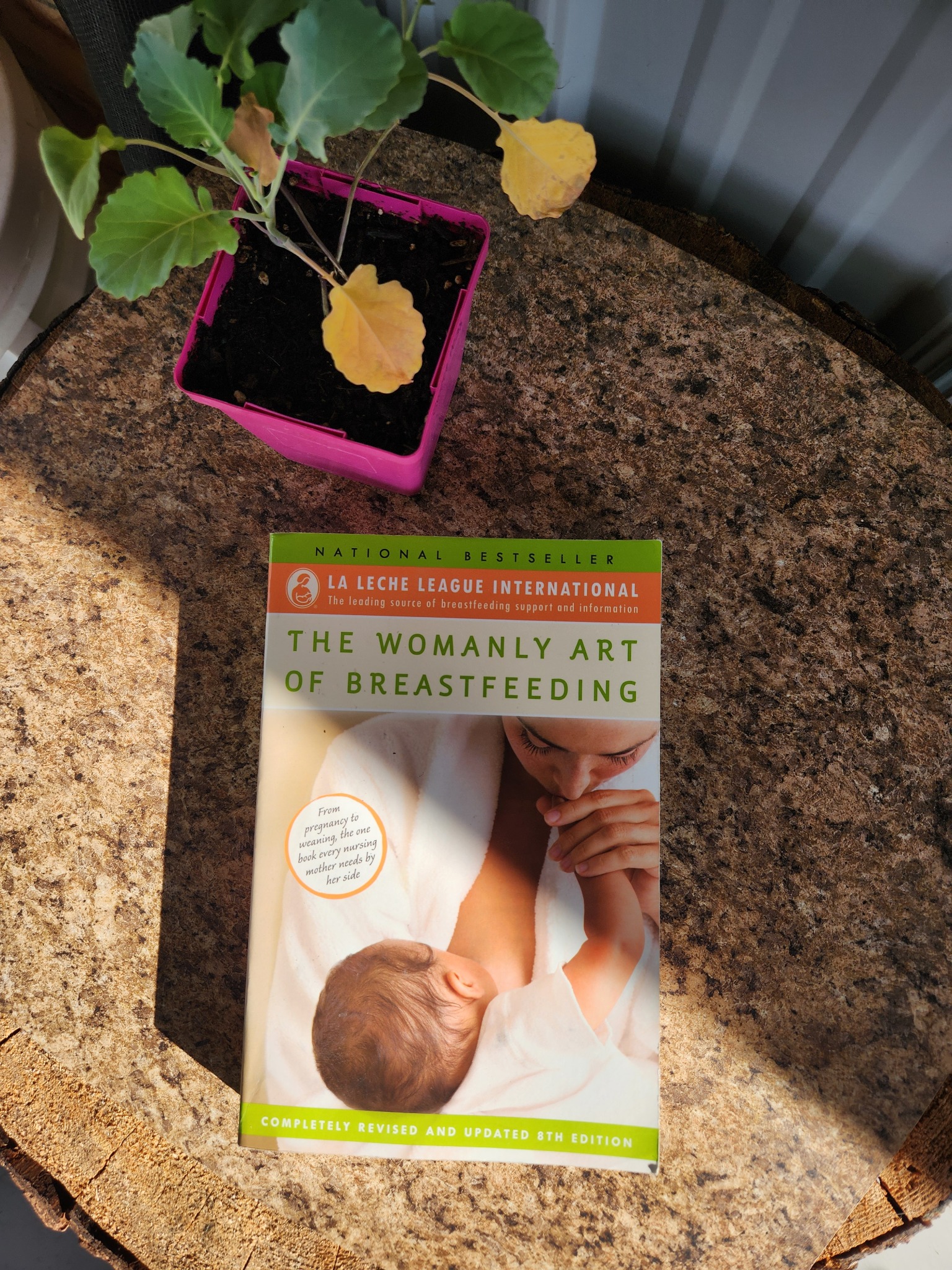
The Womanly Art of Breastfeeding
La Leche League is an amazing resource for breastfeeding parents. They have hotlines that can be phoned for breastfeeding support right from your spot on the couch, buried under baby supplies and spit-up. I look forward to phoning them for advice working with breastfeeding parents and I hope all the reviews I have heard are accurate.
This book is a solid, comprehensive overview of breastfeeding as a skill and an art, as well as a natural hormonal and physical process, and of course a deep bonding experience. My eighth edition was still from 2010, which I consider to be on the brink of outdated, but the general approach to breastfeeding remains unchanged.
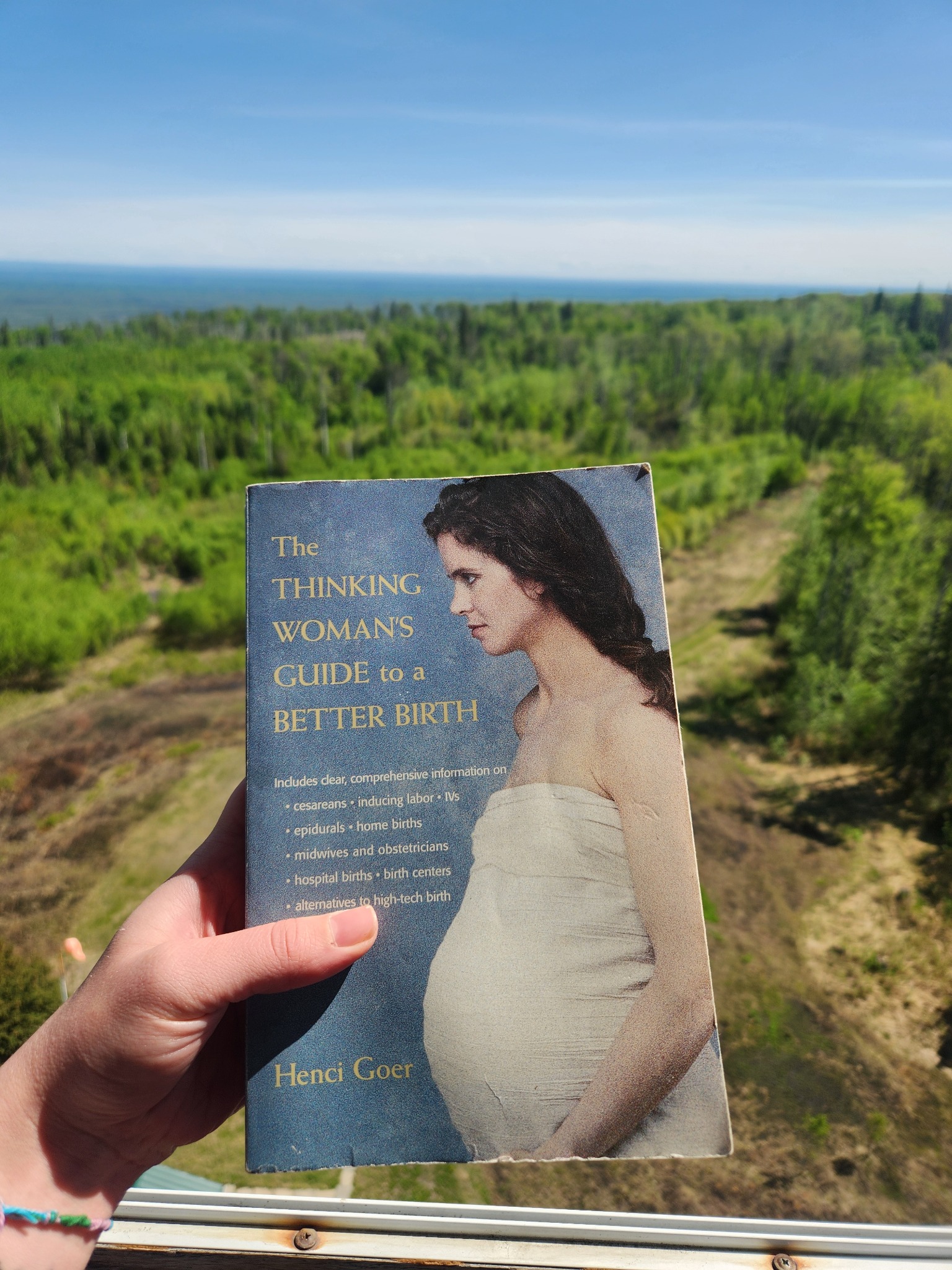
The Thinking Woman's Guide to a Better Birth - Henci Goer
This book makes no secret of its agenda: decreasing medical interventions throughout birth. I would say this is an actively anti-medical novel. She takes an active stance against the medical model being applied to the birthing experience. Each common intervention is discussed in its own heavily researched chapter. I admire the thoroughness of her research, but unfortunately it's published in 1999.
This book made me want to research more current statistics. What is the C-section rate now, a quarter century after this book was published? Answer: the 2024 C-section rate in Alberta was around 30%! So perhaps there hasn’t been twenty-five years of change. This book remains relevant because the procedures discussed in this novel have remained relatively the same.
I would recommend this book to any birthing person who feels the need to learn more of the medical model when used for birth. I wouldn’t recommend it to any birther who finds great comfort and support in the medical system.
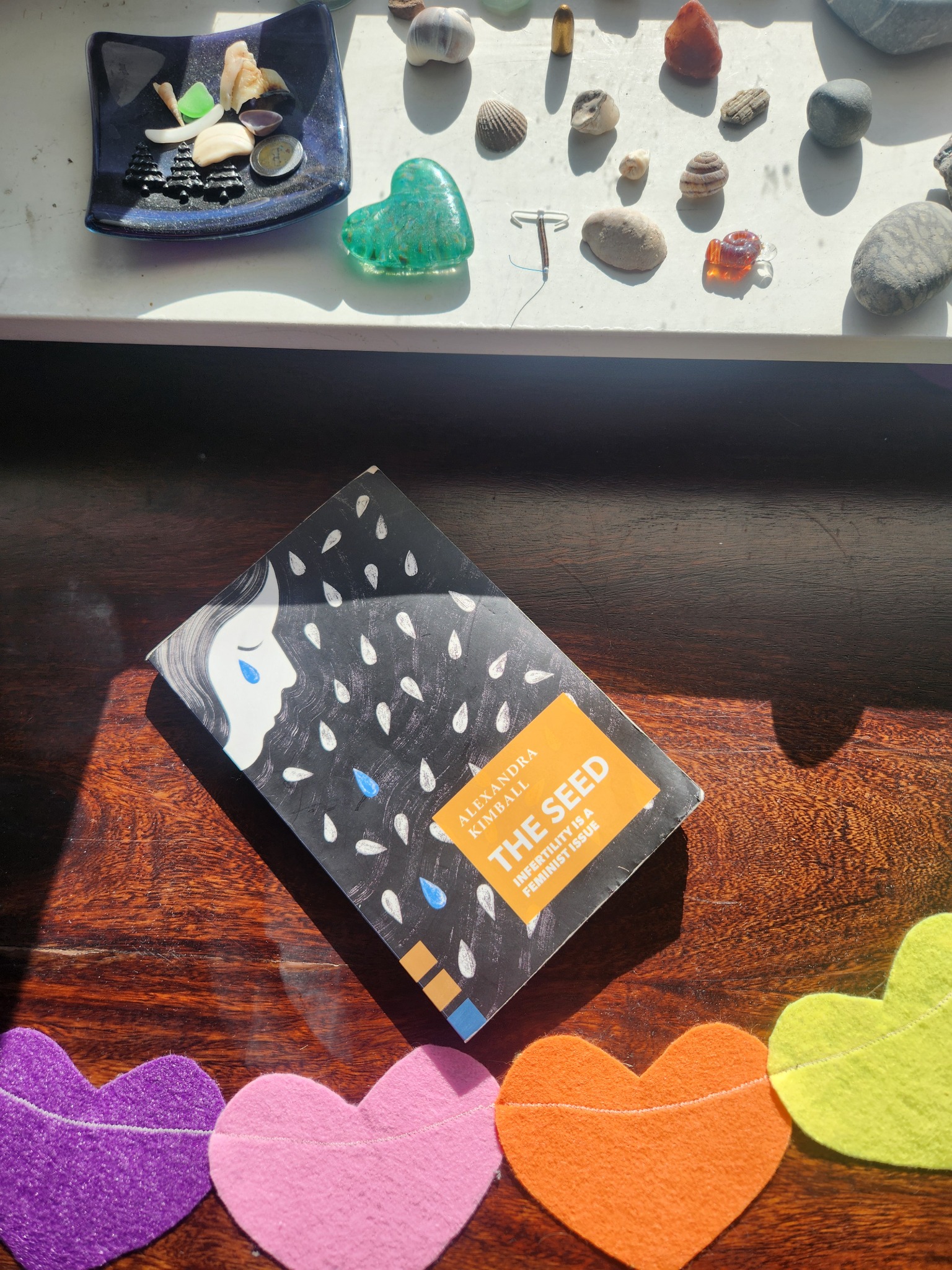
The Seed - Alexandra Kimball
This book spoke about infertility and opened my eyes to a whole new ethical and philosophical world. She writes about the silence and unforeseen pain of infertility as well as the seen pain and the astronomical costs and changes of her perception of herself as a woman. One concept I like was how queer couples are embracing fertility treatments as a way of making a whole new kind of family, whereas straight couples use fertility treatments to get to the stereotypical nuclear family.
She writes about the right for women to have children in equal to the right of women to not have children. We advocate for healthcare to provide no-cost abortions, but not for healthcare to provide no-cost ART (artificial reproductive technologies).
The Birth House - Ami McKay
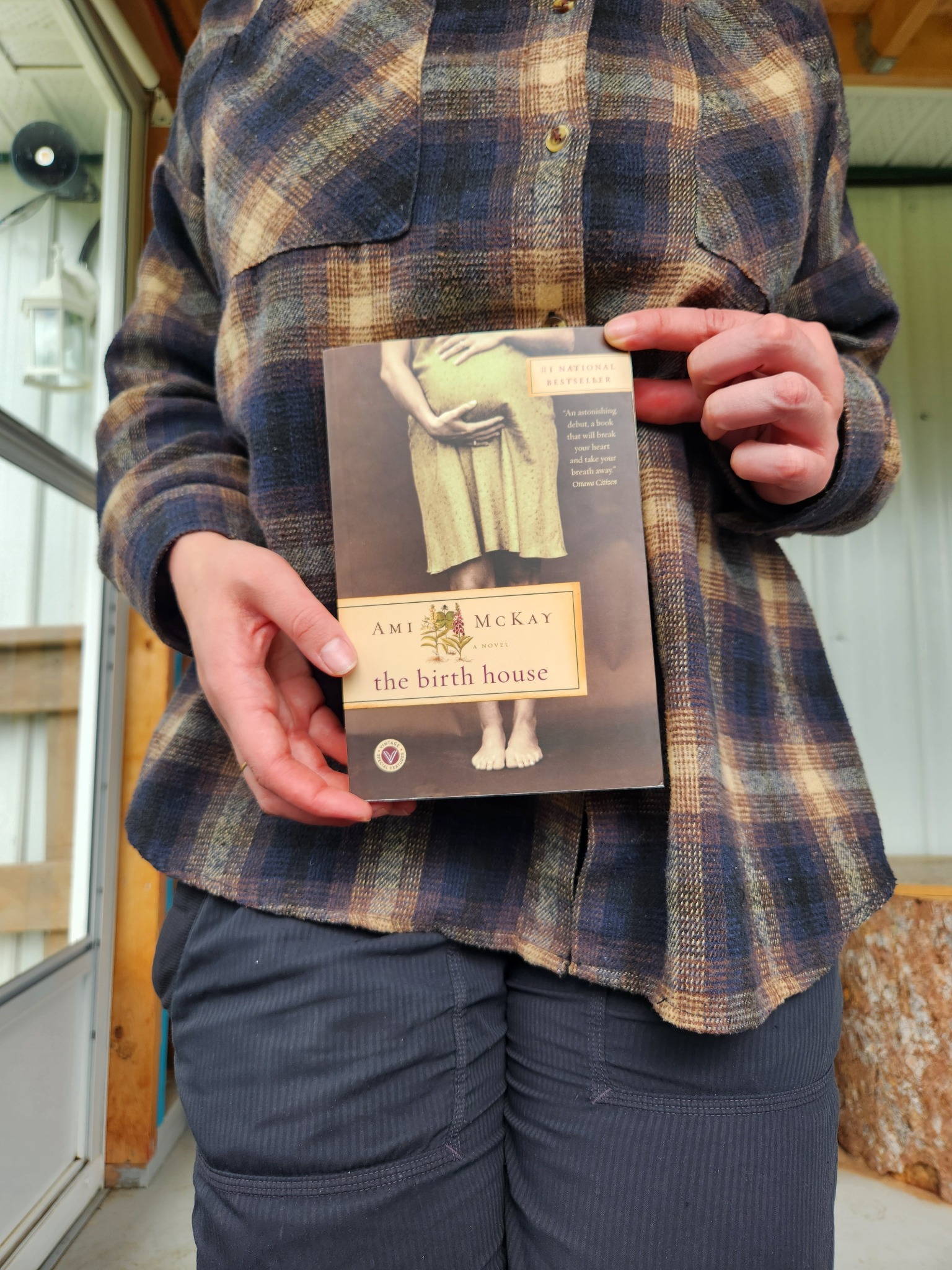
This is an amazing, Canadian fiction book about rural midwives and women.
In fact, I didn't realize this the first time I read it (maybe I hadn't been to university), but the events of this book take place mere kilometers from where I went to school. I've hiked Scot's Bay before!
This book is quite dramatic and harrowing, and not accurate in terms of realistic births. Please don't read this book if you're pregnant and nervous! But if you love Canadian authors and tales of women, this book is for you.